




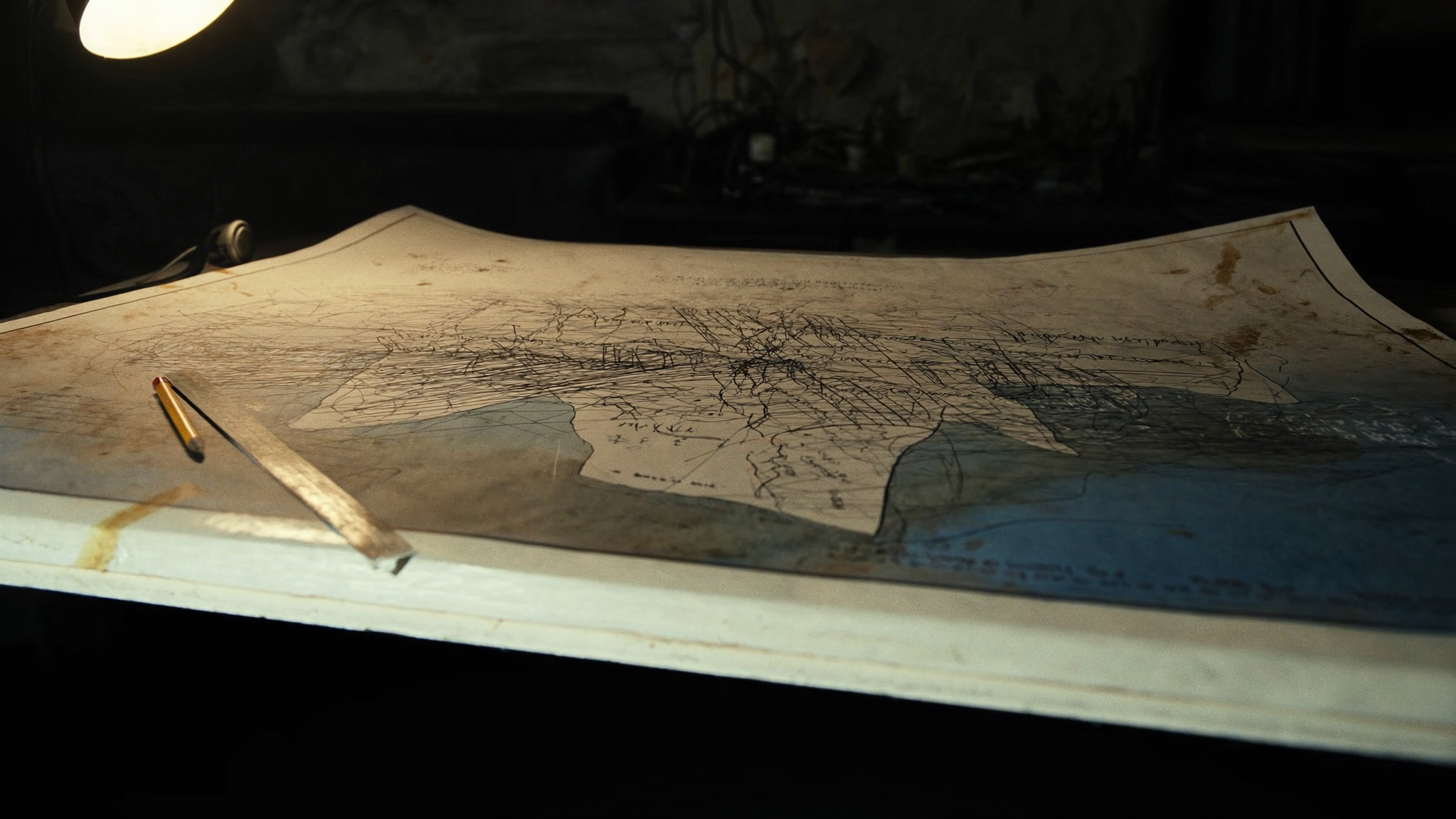

Confirm the rate before you get in the cab.
You seen that tip on a hundred travel lists. Skip past the cab part though, because the cab ain’t the lesson.
The visitor gets in and asks how much at the end. The person who lives there knew the number before the door closed. Same car, same road, same eight minutes. Two different prices, and the only thing that changed hands was information.
That’s it. That’s the whole gap. And information is the cheapest thing in the world to acquire and the most expensive thing to lack.
Here’s what you walking away with today. Every place on earth is running two economies at the same time. One of them is built to be found, priced for you to pay, and designed so you never ask a second question. The other one is running underneath it, and that’s the one the people who live there actually eat off of. By the time you finish this you gonna be able to spot the second economy in any country, any city, any neighborhood. Including the neighborhood you been living in for twenty years.
The visitor asks how much at the end. The local knew the number before the door closed. Same ride. Two prices.
The Menu Economy And The Ledger Economy
The menu economy is everything with a price printed on it. Resort rates. Tour packages. The gift shop. The eleven dollar airport sandwich. Anything that found you before you went looking for it.
Now let me say this clear, because somebody always want to turn this into a story about getting robbed. The menu economy ain’t a scam. It’s a real service and plenty of times it’s worth every dollar. Convenience got a price and convenience be worth paying when your time is short and you don’t know the ground. I have paid it happily.
But know what you buying. You ain’t buying the thing. You buying the fact that somebody already made every decision for you.
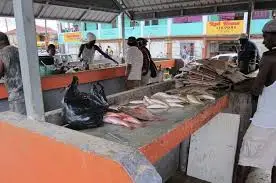
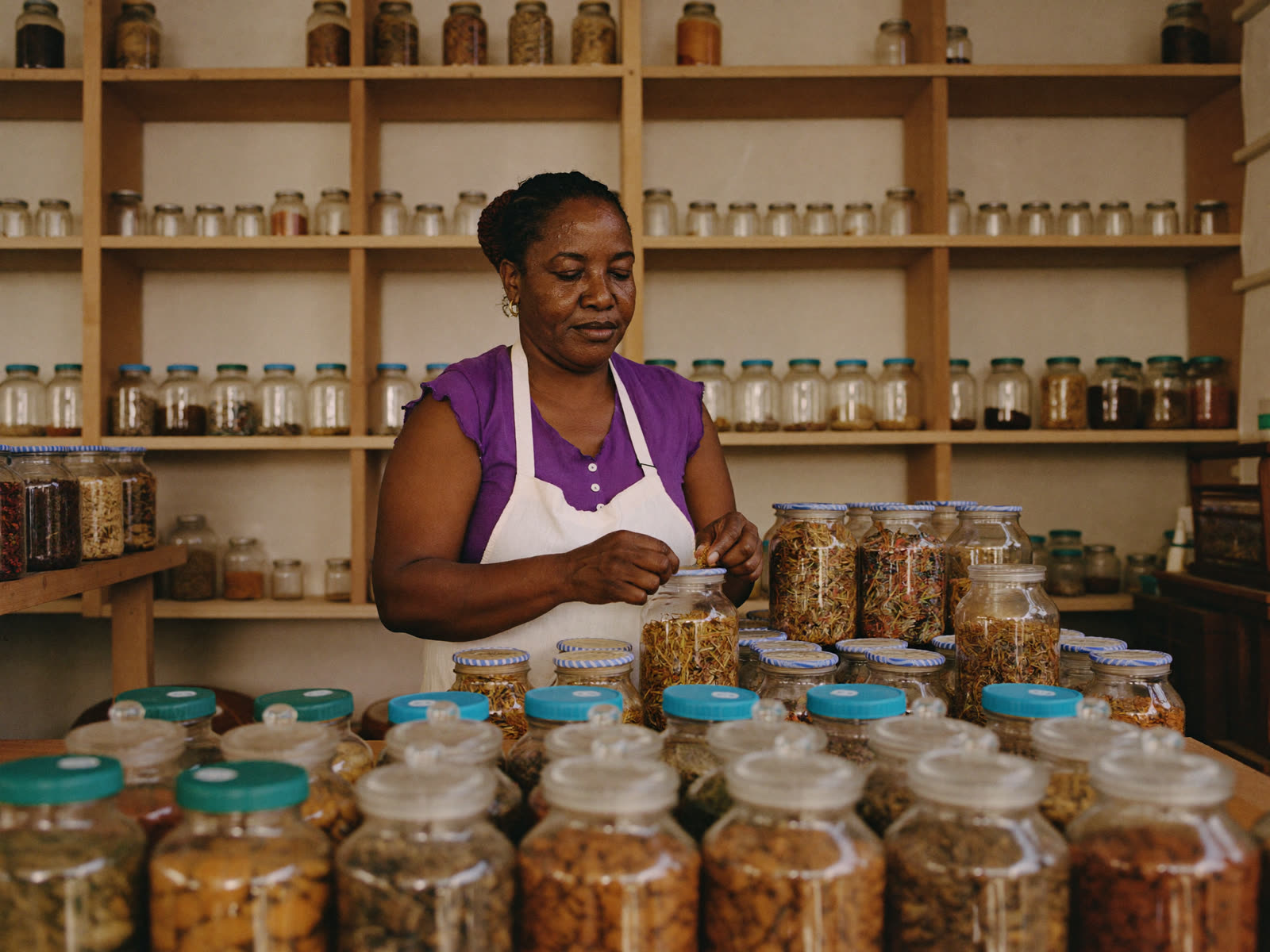
The ledger economy don’t work like that. No printed price. It runs on relationship, volume, repetition, and who vouched for who. It’s the fish market at six in the morning. It’s a bus schedule taped to a wall. It’s the woman who feeds forty people out a kitchen that seats nine and never advertised one time in her life. Nobody pitched any of it to you because you was never the customer.
Both economies use the same money. Only one of them will teach you anything.
Anything that found you first was priced for you to pay. Anything worth having, you had to go find.
Four Questions That Tell You Which One You Standing In
You don’t need a guide for this. You need four questions, and they work the same in San Pedro as they do on Seventy Ninth Street.
One. Who set this price, and can I see them? If the person taking your money can’t change the number, you standing in the menu economy. They a clerk, not a proprietor. No disrespect to clerks, I been one. But a clerk can’t negotiate because a clerk don’t own the margin.
Two. Who else sells this inside a five minute walk? If the answer is nobody, you paying for the absence of competition and not for the product. If the answer is eleven people, you standing in the real market and the price got honest a long time ago.
Three. What do these people do when the visitors leave? This is the one that tells you the truth. Whatever keeps running in the off season is the actual economy. Everything else is seasonal theater. Ask it about your own town too, because every town got a season of some kind.
Four. Who gets paid when I’m not looking? There’s almost always an intermediary. Somebody booked it, somebody referred it, somebody owns the lot the thing sits on. Finding that person is how you find out where the leverage actually lives, and leverage is the only thing in business that compounds while you asleep.
Four questions. No money required to ask any of them.
Belize Showed Me Both Economies Inside One Country
I been to Belize twice.
We did it from both sides, and that turned out to be the best decision of the entire trip. San Pedro is the island. Golf carts, beachfront, slow mornings, no pressure to do it all. Luxury out there don’t shout, it flows. Everything is arranged so the day shows up already assembled and you never have a reason to ask a second question.
Then there’s the mainland.
The mainland is where Belize actually runs. Local markets, fresh produce, artisan shops, regular people going to work. Bus schedules and water taxis instead of a shuttle somebody booked on your behalf. Nobody staged none of that for me. It was just a Tuesday, happening whether I showed up or not.
Standing in both of them inside the same week is what made it click. Same country. Same currency. Two completely different machines, and only one of them had my name on it.
Here’s the part that followed me home. On the island I was a customer. On the mainland I was a student, and school didn’t charge me nothing. I didn’t spend more money over there. I spent more attention. If you want the logistics version of that trip, I broke the whole thing down in the Belize travel guide. But the logistics wasn’t what I brought back.
What I brought back was a habit of asking who set the price.
On the island I was a customer. On the mainland I was a student. School didn’t charge me nothing.
Here’s a Chicago Minded one to run alongside this.
You Don’t Need A Passport To Run This
This is where most travel talk loses the average person, and rightly so. Somebody in survival mode reading about Belize got every right to close the tab. If the lesson requires a plane ticket, the lesson is useless to most of the people I’m writing for.
So hear me. The plane ticket wasn’t the tool. The unfamiliarity was the tool.
Travel works because you can’t run on autopilot in a place you don’t know. You forced to look. You read every sign, you notice every price, you ask questions a grown man normally too proud to ask. That’s the whole mechanism. And you can manufacture that same condition eleven minutes from your house for the price of gas.
Go to a neighborhood in your own city you never had a reason to be in. Not to buy nothing. Walk it on a weekday morning when the visitors ain’t out, because weekday morning is when the real economy is loading the truck. Count the businesses that don’t got a sign. Notice who’s busy at ten in the morning on a Wednesday and ask yourself what they know.
You been a tourist in your own city your whole life. Everybody is. We drive the same four routes and call it knowing the place.
You don’t need a passport to see the second economy. You need to stop being a tourist in your own city.
But How Do You Ask Without Being Weird About It
Fair question, and it’s the one that stops most people cold. You reading this picturing yourself walking up to a stranger to interrogate them about their margins. That’s a good way to get looked at sideways.
So don’t do that. Buy something first.
That’s the whole etiquette right there. You ain’t entitled to nobody’s business model just because you curious. Spend eight dollars. Now you a customer, and customers get to talk. Then ask the one question that works everywhere on earth: how long you been doing this?
People will tell you everything after that question. Everything. How they got started, what almost killed it, who they rent from, which month is slow, what they’d do different if they had it to do again. You don’t gotta pry because pride does the work for you. Everybody who built something is waiting on one person to ask about it, and most of them been waiting a long time.
Then shut up and listen. That’s the hard part for us. We listen for the gap where we can say what we do. Don’t. Let the whole thing come all the way out.
And here’s what surprised me about it. That exchange hands you something the numbers never will. You shook a hand. You looked at somebody and they felt looked at. A whole lot of why people stay stuck ain’t information at all, it’s isolation, and isolation cost more than any bad price ever did. Reciprocity got to start with somebody being interested first.
Buy something. Ask how long. Listen all the way to the end.
A whole lot of why people stay stuck ain’t information. It’s isolation. And isolation cost more than any bad price ever did.
What You Actually Do With What You See
Seeing it don’t pay. Seeing it and doing nothing is just a more educated way to stay stuck. That’s motion. Motion is busy. Movement is going somewhere.
So here’s the conversion.
Copy the model, not the product. The woman feeding forty out a nine seat kitchen ain’t teaching you to cook. She teaching you that demand plus low overhead plus repetition beats a storefront. That model moves. Put it on shirts, put it on a service, put it on a file somebody downloads. I never bought a single shirt to sell shirts, and the print on demand breakdown shows exactly how that works with no inventory.
Find the intermediary and become one. Every market got somebody in the middle getting paid for knowing two things that don’t know each other. That’s not a scheme, that’s a referral, and referral income is the oldest passive income there is. You already know contractors, drivers, cooks, barbers, a woman who does hair better than anybody. Introducing two of them and getting taken care of for it is a real business.
Audit what you already own before you buy anything. Most people who feel broke ain’t broke, they illiquid. They got tools, licenses, skills and relationships they can’t convert fast enough to matter. I laid out that distinction in the illiquid piece, and it’s the cheapest audit you’ll ever run on yourself.
Go collect what’s already yours. There is money sitting unclaimed with people’s names on it right now, and the hidden money playbook walks through how to go look. That’s the purest version of this whole idea. Resources people never knew existed, sitting in the second economy, waiting on somebody to ask.
The Whole Trade, Not The Trick
I still work a job. Seven to three, and I’m writing this around it like I write everything around it. So I ain’t standing on no mountain telling you I cracked it. I’m telling you what changed when I started asking better questions in unfamiliar rooms.
The trick would be a list of cheap countries. The trade is learning to read any economy you standing in, including the one that raised you.
Because here’s the thing nobody tells you about being from somewhere. Familiarity feels like knowledge and it ain’t. You know your block. You don’t know your block’s economy. Those two things live in the same zip code and got nothing to do with each other.
Go be unfamiliar on purpose. Ask who set the price. Ask who else sells it. Ask what they do in the off season. Ask who gets paid when you ain’t looking.
Then come back and look at your own situation with the same four questions, because you been paying menu prices on your own life for a long time and calling it how things is.
Dig. Build. Grow.